
Little Champions
Games, movement, listening, cooperation, and body control. Short activities in a parent-visible setting.
Explore Little ChampionsStraightforward answers to the questions parents ask most before a child's first Brazilian Jiu-Jitsu class.
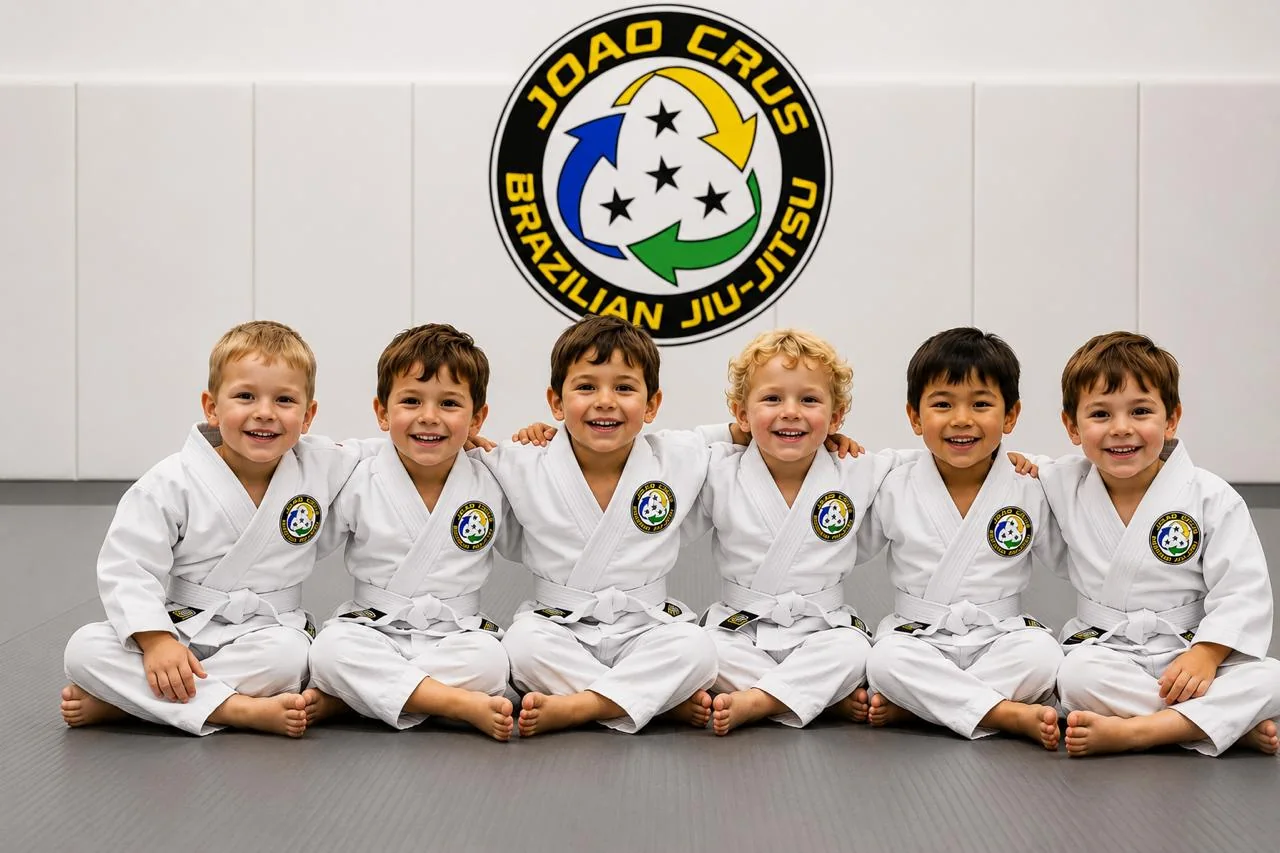 Parents stay and watch
Children's Brazilian Jiu-Jitsu is age-structured, movement-based, and parent-visible. Age-appropriate classes start as young as three and use games and partner work rather than adult competition. They give children structured opportunities to practice listening, cooperation, body awareness, and clear boundaries over time. This guide answers the questions parents ask most before a first class.
Age 3 through teens: what readiness looks like at each stage, what the research supports, and how to assess whether your child is ready now.
Safety and respectHow the tap signal works, what it communicates, and what children learn about boundaries, respect, and honest communication by practicing it.
Class structureA practical walkthrough of a Little Champions class: games, movement, partner activities, listening exercises, and what parents observe from the sideline.
Choosing wiselyA comparison of program structures for ages 3-7, 8-12, and 13-17, plus questions to ask any academy before enrolling.
Practical prepClothing, arrival, hygiene, how to handle a hesitant child, and what to watch for during the class. Covers every practical detail before the first visit.
Observable practiceWhat listening, tapping, partner work, problem-solving, and resetting look like on the mat, plus what research can and cannot support.
Joao Crus BJJ accepts children from age 3. Classes at that age focus on movement games, listening, partner cooperation, and body control rather than competitive sparring or adult technique.
No experience is needed. Beginners at every age are expected and welcomed.
Yes. Parents may stay and watch every class.
Comfortable athletic clothes work for a first visit. A gi (uniform) is not required for the initial class.
Shy or reluctant children are common at the first class. The class structure is designed for short, low-pressure bursts. Most children settle once they see peers doing the same activities. Parents may stay visible throughout.
A tap is a signal that communicates stop. Partners are trained to respond immediately. Children learn to both communicate their own limit and respect their partner's limit. Read What Tapping Teaches a Young Child for a full explanation.
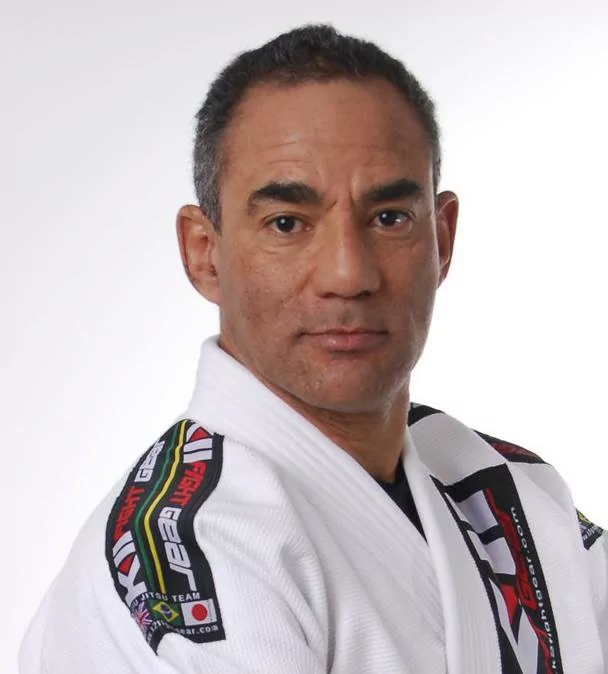
Joao Crus is a Brazilian Jiu-Jitsu black belt with Carlson Gracie and Ricardo De La Riva lineage, more than 25 years of teaching experience, and an academy he founded in Dripping Springs in 2003.
His teaching approach is relational and developmental first. Classes for young children use games, short activities, clear language, and age-appropriate partner work designed to match where children actually are, not where adults might prefer them to be.
Games, movement, listening, cooperation, and body control. Short activities in a parent-visible setting.
Explore Little ChampionsTechnical skill, purposeful rounds, resilience, and growing independence on the mat.
Explore YouthLonger training blocks, age-appropriate technique, growing responsibility, and composure in a peer training environment.
Explore Teens